
Selling
Wraparound Mortgages: The Options and Who They're Actually Right For

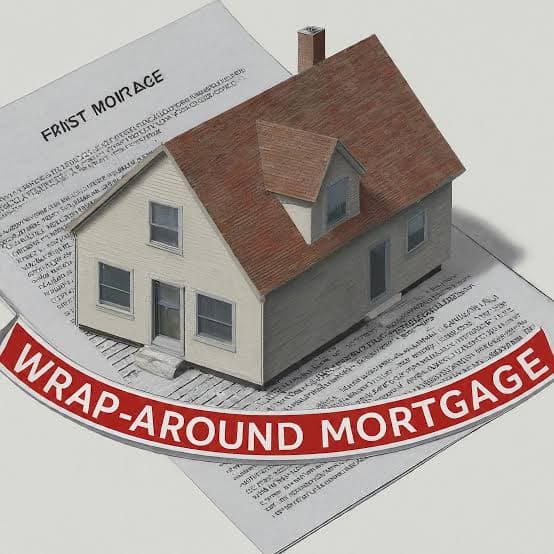
A wraparound mortgage — a "wrap" — is one of those financing structures that sounds complicated the first time you hear about it, but it's actually pretty straightforward once you break down how it works and who it's genuinely a good fit for.
How a wrap actually works
In a wraparound deal, the seller's existing mortgage stays in place, and the buyer signs a new note directly with the seller for the full purchase price — a note that "wraps around" the original loan. The buyer makes one payment to the seller, and the seller is responsible for continuing to pay the original underlying loan out of that payment. The buyer does receive title at closing via a general or special warranty deed, which is an important distinction — a wrap is not an executory contract like a contract for deed, where the seller keeps title until the very end.
Wraps are usually structured as a shorter-term arrangement — 3, 5, or 10 years is typical — with the expectation that the buyer will refinance into a traditional loan before the wrap note matures. That's why you'll often see a balloon payment built into the structure.
Texas takes this seriously — and that protects you
Wraparound transactions in Texas are regulated primarily under Finance Code Chapter 159, along with Property Code Section 5.016. Sellers offering wrap financing typically need to be licensed, must provide a specific written disclosure at least seven days before the deal closes — in 12-point type, warning specifically about insurance complications — and buyers get a real cancellation window. If negotiations happened primarily in a language other than English, the seller is required to provide those disclosures in that language too.
Here's the honest part: compliance with those rules helps, but it doesn't erase the underlying structural risk — and that risk cuts both directions, not just toward the buyer.
The risk runs both ways
For the seller: the original loan stays in the seller's name the entire time the wrap is in place. If the new buyer pays late or stops paying, it's the seller's credit that takes the hit, not the buyer's — because as far as the original lender is concerned, the seller is still the one responsible for that loan. A seller taking on a wrap is genuinely putting their own credit on the line for someone else's payment behavior.
For the buyer: the risk goes the other way. You can make every payment to the seller on time, in full, and still get burned if the seller doesn't turn around and actually pay the underlying loan with that money. Nothing structurally forces that money to flow through to the original lender — it depends on the seller actually doing what they're supposed to do with it.
One way to meaningfully reduce this risk on both sides: work with a legitimate, organized third-party loan servicer that's actually experienced with wraparound transactions. A real servicer collects the buyer's payment and forwards the correct amount to the underlying lender directly, rather than routing everything through the seller personally. This cuts down a lot of the risk described above — but it doesn't remove it entirely. Nothing about a wrap makes the underlying loan disappear.
There's also a legal wrinkle worth taking seriously: wraparounds aren't illegal, but they do typically violate the due-on-sale clause present in most traditional mortgages — the clause that gives the original lender the right to call the entire loan due immediately if the property changes hands without their approval. Lenders don't always enforce it, but they can. Anyone considering a wrap, buyer or seller, should talk to a real estate attorney before signing anything, with full eyes open to that risk.
Who a wrap is actually right for
A wrap tends to make the most sense for buyers who don't currently qualify for traditional financing but have a clear, realistic path to refinancing within a few years — someone rebuilding credit, someone recently self-employed without two years of tax returns yet, or someone who needs a bridge while a specific financial situation resolves. It's not the right structure for someone with no realistic refinance plan, since the balloon payment at the end of the term isn't optional.
The scenario where this really shines: a seller who doesn't have a lot of equity in the property but locked in a genuinely good interest rate years ago, paired with a buyer who can't qualify for traditional financing right now. That's a strong match — the buyer gets access to a rate well below what they'd get on a new loan today, and the seller gets to sell a property they couldn't easily sell outright given how little equity they have. When both sides understand the risk and structure it properly, that combination can work well for everyone involved.
It's also worth having a real conversation about the underlying loan itself — what type of loan it is, and what protections exist if the seller doesn't hold up their end of paying it. This is exactly the kind of deal where a document review from someone on your side, not just the seller's side, matters.
If you're considering a wraparound purchase or sale, reach out and let's go through the actual numbers and the actual paperwork together before anyone signs anything.
Edgar Roman
Edgar Roman is a REALTOR® with Revive Real Estate Team, serving buyers and sellers throughout the Rio Grande Valley.