
Selling
How to Check Utility Accessibility Before Buying Land

Utilities are one of those things buyers assume will just work out once they own the land. In South Texas, they don't always. Here's how I walk clients through checking utility access before they close on a piece of property.
Start with the Hidalgo County Appraisal District
The first stop is always the Hidalgo County Appraisal District, where you can see exactly what districts and assessments a property is currently paying into. This is the best way to catch whether a property is paying into an irrigation district — and in South Texas, that's a very real possibility.
Watch for irrigation district obligations
Most of this land used to be farmland, a lot of it citrus, before it was ever subdivided. When those subdivisions happened, blanket easements were often granted to the local irrigation districts. What that means today is that a property can still carry an ongoing obligation to pay an irrigation district even if the current owner never actually uses that irrigation water. This is one of the most overlooked costs in a land purchase, and it's worth checking specifically before you buy.
Electricity: AEP vs. Magic Valley
In Hidalgo County, you're typically choosing between two electric providers, and they work very differently.
Magic Valley is a cooperative, and it's generally the more economical option on price. The trade-off is flexibility — since it's a co-op, getting a new meter installed can take longer, and once you're in their service area, you're working exclusively with them. There are no other providers reselling into that territory.
AEP works differently. You don't have to buy directly from AEP — other retail providers resell AEP power, which means you get to shop between different plans and pricing structures, with less commitment to a single long-term contract. The trade-off is that pricing typically isn't as favorable as Magic Valley's.
Neither is "better" across the board — it depends on whether you value price or flexibility more for that particular property.
Water: check availability and requirements early
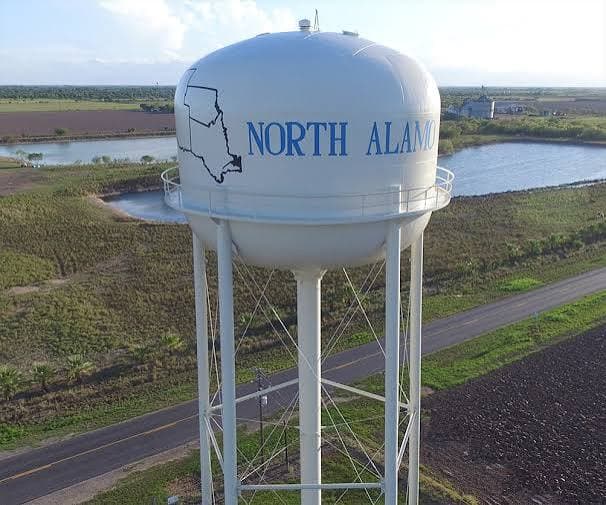
Water is one of the biggest utility items to verify. Sharyland Water and North Alamo are two of the largest water providers in the area, alongside local city systems like the City of McAllen. During your feasibility period, always contact the specific provider serving that property directly to find out their connection requirements and fees before you're locked into the purchase.
The transfer form mistake that gets expensive fast
Here's one that catches people off guard: before you buy, confirm whether the utility provider requires a notarized transfer form to move service into your name. North Alamo and Sharyland Water both require this. If it isn't handled properly, the provider can pull the meter entirely and charge you to have it reinstalled — an expensive fix for what's really just a paperwork issue.
This responsibility often ends up falling on your realtor, because it's our job to make sure clients know it's required. My advice: ask your realtor to have the water transfer form ready at closing, so it can be signed and notarized right at the closing table before you ever take possession.
If you're looking at a piece of land in the Valley, let's run through utility access together before you make an offer — it can save you real money and real headaches down the line.
Hector Gonzalez
I'm a Realtor in the Rio Grande Valley specializing in land and development, focused on helping clients invest, build, and create long-term opportunities. I'm known for being consistent, responsive, and detail-oriented so clients feel supported every step of the way. As an RGV native fluent in English and Spanish, I value helping people invest in their future while building meaningful relationships in my community.