
Selling
When Should Buyers Get a Sewer Camera Inspection?

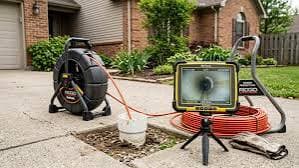
A standard home inspection covers a lot, but it doesn't cover what's underground — and in this part of Texas, that gap can end up costing buyers thousands of dollars if they skip it on the wrong house.
Why this matters specifically in the RGV
A lot of the older housing stock in this region was built with cast iron sewer lines, before PVC became the standard material. Cast iron has a limited lifespan, and once it starts breaking down, the failures aren't visible from inside the home — they're happening underground, out of sight, until they turn into a real problem.
The other culprit: tree roots
Oak trees are common across a lot of older RGV neighborhoods, and their root systems are notorious for finding their way into aging sewer lines, especially where cast iron has started to crack or corrode. Once roots get into a line, it's typically a matter of time before it turns into a backup or a full collapse.
When to actually get one
Our general rule of thumb: anything built before the 2000s is worth strongly considering. That said, we're not plumbers, so the right move is always to reach out to a specific plumber for a real evaluation rather than relying on a rule of thumb alone.
A few real red flags worth watching for:
- Visible cast iron anywhere on the property. If you can see cast iron piping, that's a strong signal you'll want a camera inspection done.
- The age of the home in general. The older the property, the more likely — and the more important — a sewer scope becomes.
- Slab foundation vs. pier-and-beam. Pay extra attention on slab construction. With pier-and-beam, it's relatively easy to get underneath the foundation to inspect or repair a line. With a slab, that same repair means cutting into the foundation itself, which is a much bigger and more expensive job.
- Tree roots near the structure. Anytime you see mature trees, especially oaks, close to the house, that's one of the more common signs we look for before recommending a camera inspection.
A real deal that shows why this matters
Our team leader, Daniel, bought a property that had an oak tree growing directly over a sewer line. When the camera inspection went down, it revealed a combination of cast iron piping and an old asbestos-paper, tar-coated pipe — a type of material that was used decades ago and isn't something you'd expect to still find in the ground today. Between the age of the materials and the tree roots that had worked their way in over the years, the line was completely compromised. Nothing about this was visible from a standard walkthrough or a general inspection — the only way it surfaced was through the camera.
Who to call
If a sewer camera inspection makes sense on a property you're considering, we typically point clients toward RGV Plumbing or Cantu's Plumbing — both are vendors we've vetted and trust to give buyers an honest, accurate picture of what's actually going on underground before they close. It's also worth asking your property inspector directly whether a sewer scope is the right fit for your specific situation — they can help you weigh whether it's worth the added cost given what they saw during the general inspection.
The bottom line
A sewer camera inspection is a relatively small cost — usually a few hundred dollars — against a repair that can run into the thousands if a line actually needs to be replaced. On the right property, it's one of the cheapest forms of insurance you can buy before closing. If you're under contract on an older home in the Valley and want to know whether this makes sense for your situation, reach out and we'll help you figure it out.
Cristian Zuniga
Cristian Zuniga is a REALTOR® with Revive Real Estate Team, serving buyers and sellers throughout the Rio Grande Valley.