
Selling
The Importance of Measuring Your Home

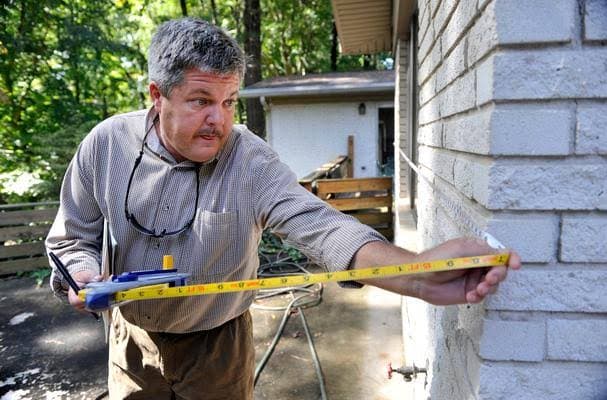
When we advise you on a price point to sell your home, what we're really doing is estimating what an appraiser is going to land on. We take the county's recorded square footage, confirm it with you, and multiply it against comparable price-per-square-foot data in the area. But that whole process only works if the square footage we're starting with is actually accurate — and more often than people expect, it isn't.
Why a small discrepancy is a big deal
A 50 square foot discrepancy at $150 per square foot is a $7,500 swing in price. That's not a rounding error — that's real money either left on the table or overestimated on a listing. Getting the size right isn't a formality; it's the foundation the entire pricing conversation is built on.
The best way to confirm your size
The most reliable way to confirm your home's actual square footage is with a recent appraisal, since a real appraisal includes an actual measurement, not just a records lookup.
County-recorded square footage can be accurate — as long as no additions or renovations have been made and the home hasn't been built too long ago. But on older homes, or homes where work has been done over the years, the gap between what the county has on file and what the home actually measures can be significant.
A real example of why this matters
We had a client whose home had an addition built without a permit, which meant the city — and by extension the county — never updated the recorded square footage. We initially built our listing presentation around that inaccurate number. Because of that experience, we now recommend that any client who has even a shred of doubt about their home's size get it professionally remeasured before we finalize pricing.
How this actually works
The appraisers on our approved vendor list typically charge around $200 to come remeasure a home and provide a written, signed report confirming the actual size. This isn't just about protecting the seller — it protects the buyer too. If there's ever a discrepancy, buyers can trust a signed, third-party measurement instead of just taking a seller's word for it. And sellers have an obvious incentive to round up, so buyers are naturally more skeptical of a number that just comes from the listing sheet. An independent appraiser's measurement carries real credibility that a seller's own estimate simply doesn't.
So yes — in this business, size really does matter.
What to do if the number is wrong
If your home is actually smaller than what the county has on record, that's worth knowing before you price it — better to find out from us than from a buyer's appraiser during the transaction.
If your home is actually larger than what the county has recorded, we want to get that updated on Zillow and every other listing source with the accurate number before we go to market, so you're not underselling your own square footage.
And if the county has your size wrong on the low end, you can actually take a professional measurement in person to the appraisal district and use it to get your property taxes reduced — since your tax bill is also based on that recorded square footage.
Can you just measure it yourself?
Not really. A DIY measurement isn't going to be as accurate, and more importantly, buyers won't take your word for it the way they'll trust a licensed appraiser's signed report. If you're getting ready to sell and aren't sure your square footage is accurate, let's talk about getting it confirmed before we price your home — reach out anytime.
Michael Vega
I've been in real estate for nearly two years and truly enjoy helping people through the buying and selling process. My goal is to provide quality service and give maximum effort to every client until we reach the finish line. I'm proud to serve buyers and sellers throughout the Rio Grande Valley. Being born and raised here, I care deeply about helping my community succeed. Outside of work, I enjoy country music, the beach, and spending time with family.