
Selling
Should I Fix Up My House Before Selling? Does It Add Value?

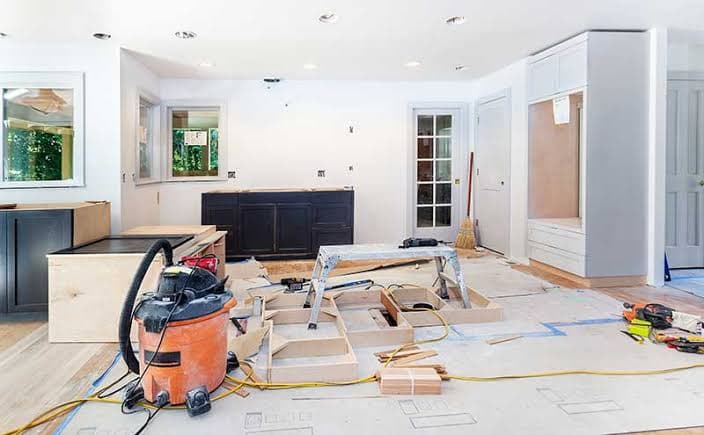
This is one of the most common questions sellers ask me, and the honest answer isn't "fix everything" or "fix nothing" — it depends on what's actually standing in the way of a sale.
Fix what blocks financing
The highest-value fixes aren't necessarily the ones that make a home look nicer — they're the ones that keep your buyer pool as wide open as possible. A handful of specific issues can actually disqualify a property from certain types of financing altogether:
- Burglar bars (without proper interior release mechanisms)
- Missing smoke detectors
- Broken or cracked windows
- Rotten wood or fascia
These are the kinds of items that can prevent a buyer from being able to purchase with a VA or FHA loan. And VA and FHA buyers make up a real share of the buyer pool in this market. The goal is simple: you don't want the physical condition of your home to be the reason certain buyers can't even make an offer. If any of these apply to your property, I'd recommend fixing them before you list.
Where it gets more complicated: big-ticket items
Big-ticket items like an aging roof are a different conversation. If a roof is on the later part of its useful life, it's worth being upfront and disclosing that to potential buyers — and acknowledging that you may need to address it if the bank requires it as a condition of financing.
In these cases, you're often better off proactively handling a roof, an aging AC system, or other large-ticket items yourself before listing, rather than letting them scare buyers away or become a bank-mandated repair that stalls your closing at the worst possible time.
If the upfront cost worries you
Spending tens of thousands of dollars right before you sell can feel like a lot to put out. A couple of ways to soften that:
- Look at financing options for the repair itself. If the cost of financing the repair is lower than the extra value or extra buyer pool it unlocks, you're coming out ahead.
- Offer a repair credit instead. You can list the home as-is and note in the listing that you're willing to give the buyer a credit at closing for a specific repair. This lets the buyer choose their own contractor and timeline, while you avoid fronting the capital yourself before the sale even closes.
The bottom line
Like anything in this business, don't guess — do the math with a realtor before making a decision either way. What actually adds value, what unlocks more financing options, and what's worth fixing versus crediting all depends on your specific property and situation. If you're thinking about selling and aren't sure what's worth fixing first, reach out and let's run the numbers together.
Luis Torres
Luis Torres is a REALTOR® with Revive Real Estate Team, serving buyers and sellers throughout the Rio Grande Valley.