
Selling
Financing Property on the Island: Down Payments and What Is a Condotel?

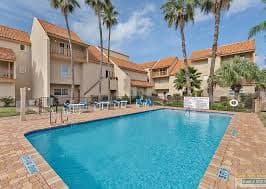
I want to walk through a real deal that shows exactly why this topic matters, because it caught even an experienced investor off guard.
A deal that almost went sideways
We had a client — an investor, a genuinely savvy developer who's done plenty of deals — buying what looked like a simple condo purchase on the island. Two bed, two bath, around $500,000. We got him a great price. The financing looked easy too: a DSCR loan, which qualifies you based on the property's rental income rather than your personal income, which is usually a smooth, attractive path for an investor buying a rental.
Then, at the last minute, the underwriter caught something: the building was a condotel. That single classification changed the deal — it pushed the down payment requirement up significantly, even with an otherwise straightforward DSCR loan. An experienced investor got surprised by this. That should tell you how important it is to know what you're actually buying before you're deep into a transaction.
So what actually makes a building a condotel?
A condotel looks like a regular condo from the outside, but it operates more like a hotel. The features that tip a building into condotel territory typically include:
- Front-desk check-in for the building, hotel-style.
- A mandatory or heavily used short-term rental program — the building actively places units into nightly or weekly rentals rather than functioning as a normal residential community.
- Daily housekeeping or hotel-style services available to units.
- Resort-style amenities managed by hotel-style operations, rather than a standard HOA.
- A high concentration of investor-owned units rather than owner-occupants.
Fannie Mae and Freddie Mac — the agencies that set the rules most conventional lenders follow — classify condotels as ineligible for standard conventional financing. That's true whether you're going conventional, FHA, or VA; none of those typically work on a true condotel. That's exactly what happened in the deal above: the DSCR product itself wasn't the problem, but once the underwriter identified the building as a condotel, it triggered stricter terms even within that non-conventional loan type.
What this means for your down payment
Because condotels don't fit standard agency guidelines, you're generally looking at non-QM or portfolio lending — lenders who keep the loan on their own books instead of reselling it, which gives them more flexibility but also more reason to protect themselves with a bigger down payment. Where a standard investment condo might go conventional with 20-25% down, a condotel-classified property can easily push toward 25-30%+ down, sometimes more depending on the lender and the specific building.
What to actually do about it
A couple things matter here, and both come down to who you're working with:
Work with a real estate agent who actually knows what to look for. Before you ever write an offer on an island condo, someone needs to be checking whether the building has hotel-style check-in, a mandatory rental program, or a heavy short-term rental concentration — because those are the signals that predict a condotel classification before an underwriter finds it for you at the worst possible moment.
Work with a mortgage broker, not just a single lender. This is a big one. A broker isn't tied to one underwriter's guidelines — if one lender won't touch a condotel-classified property, or wants terms that don't work for you, a broker can shop the deal to other lenders who specialize in exactly this kind of financing. That flexibility is often the difference between a deal falling apart and a deal closing on workable terms.
If you're looking at island property and you're not sure whether a specific building is going to trigger this, reach out before you're under contract. Better to know going in than to find out from an underwriter at the last minute.
Franco Hernandez
Franco Hernandez is a REALTOR® with Revive Real Estate Team, serving buyers and sellers throughout the Rio Grande Valley.