
Selling
How to Buy Land in South Texas

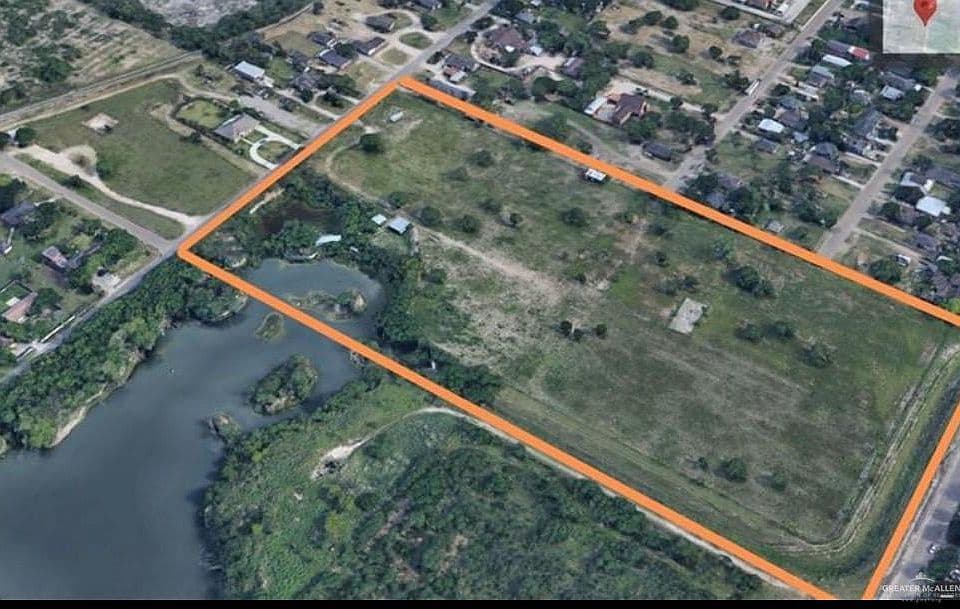
Buying land is a completely different game than buying a house, and most people walk into it thinking it's simpler when it's actually more complicated. Here's how I walk clients through it.
Start with what the land is actually for
The size of tract you need depends entirely on what you're doing with it. If you're just looking to build a single house, you're probably looking at under an acre, maybe under half an acre. One to five acres is where you start seeing recreational or small commercial use. Once you get into four-plus acres, you're in agricultural territory or looking at large-scale development. Knowing which bucket you're in should be the first thing you nail down, because it drives almost every other decision after it.
Buy by volume — the same rule as anything else
Think of it like buying avocados versus going to the corner market. You get a better price per unit buying in volume. The same logic applies to land. If your budget and use case allow for it, buying a larger tract generally gets you a better price per acre than chasing a small parcel.
The mistake almost everyone makes: not understanding subdivision costs
This is the biggest thing people who aren't engineers miss. When you look at unsubdivided land, there's often a real cost hiding in getting that land into a usable state — and it's not just about physically cutting the property in half. If a property has a metes-and-bounds legal description, in many cases it still has to go through what's called an administrative subdivision to become part of a recognized subdivision, even if you're not actually dividing it. That process, in a lot of cases, still triggers infrastructure requirements. It's essentially a mechanism cities use to bring you into long-term infrastructure obligations — you become a participant in those upgrades whether you intended to or not.
Know what districts your land sits in
Before you buy, find out what utility districts the property falls under. Pay close attention to irrigation districts in particular — if the land is in one, that's an obligation you're taking on in perpetuity, and it typically comes with an easement across your property for their infrastructure.
City limits, county, or ETJ — and a recent change worth knowing
If you're buying residential land for yourself, decide up front whether you want to be part of an HOA or not, and whether you want to be inside city limits or out in the county. If you're outside city limits, always check whether the property sits in a city's extraterritorial jurisdiction (ETJ) — because even in the county, an ETJ designation can still require you to comply with certain city rules.
Worth knowing: Texas passed a law in recent years (SB 2038) that created a real process for landowners to petition to be released from a city's ETJ. It's a legitimate option now, but the process is genuinely complex, so it's not something to attempt without guidance.
Two more things that decide everything
Always check whether the property floods. And above everything else — price is what dictates all of it. A great tract at the wrong price is a bad deal, and a tract with real challenges at the right price can still be a great one.
If you're considering land in South Texas, whether it's a homesite, a recreational tract, or something bigger, reach out and let's walk through what actually makes sense for what you're trying to do.
Hector Gonzalez
I'm a Realtor in the Rio Grande Valley specializing in land and development, focused on helping clients invest, build, and create long-term opportunities. I'm known for being consistent, responsive, and detail-oriented so clients feel supported every step of the way. As an RGV native fluent in English and Spanish, I value helping people invest in their future while building meaningful relationships in my community.